PTE-A Speaking: Describe Image, Processes
*The algorithm is set for fluency, fluency, fluency!! Therefore, a person just needs to keep speaking at an even tempo without any hesitation, pausing at the end of each sentence, for 31 seconds, and they will achieve a perfect score of 90. Does pronunciation matter? Yes, but by using the same procedure of 5 sentences over and over again, your pronunciation will improve.
This procedure is the easiest method to pass the test with a high score, usually well above 79. There is a long debate in second language learning between the roles of fluency and coherence and/ comprehension for the listener. A speaker may speak quickly but coherence is lost due to pronunciation or rhythmic intonation for the listener; conversely, a speaker may speak slowly with good pronunciation but then fluency is lost, so it is a tiring experience for the listener. In any event, Pearson decided that Retell Lecture and Describe Image at going to be all about fluency!
**Remember: As I did, always keep speaking at normal tempo or pace for 30 seconds without any hesitation–even if you do not know what you are talking about – and you will probably score over 79.
**The key to the algorithm is there are a certain number of keywords coded into any analysis of a spoken response, so it is always wise to say a word that is written in the title or on the graph (process images for example) in every sentence you speak to ensure that you will score. However, as a counterpoint, what is coded if you get a picture that has no words?
** The images below were taken from colour charts from a google search of PTE Describe Image. You will have colour images on your PTE Exam; here, as well as the exam, colour doesn’t really matter in the sense that you are going to follow the same procedure as it is the numbers that correspond to superlatives that do matter.
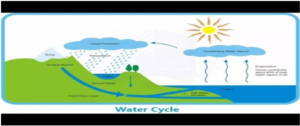
- This diagram exhibits the water cycle process.
- Initially, water evaporates into the air.
- Then the water vapor condenses to form clouds.
- Finally, the waterfalls to the ground in the form of precipitation.
- In conclusion, a water cycle is a continuous event that occurs all around the world.
- Remember to watch the timer when speaking through your sentences. The conclusion you can make shorter if you are running out of time.
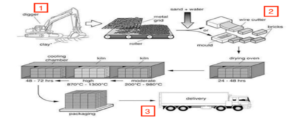
- This process displays the making of bricks.
- Initially, the digger picks up clay to be put onto a metal grid conveyor system.
- Next, sand and water are added to form a mixture that is molded to form bricks.
- Finally, the bricks are put into a kiln to be dried and then later packed for truck delivery.
- In conclusion, this process of making bricks is efficient.
- It is not necessary to mention every word in the diagram.
- Just follow the 5-sentence pattern fluently, remembering to pause at the end of every sentence.